




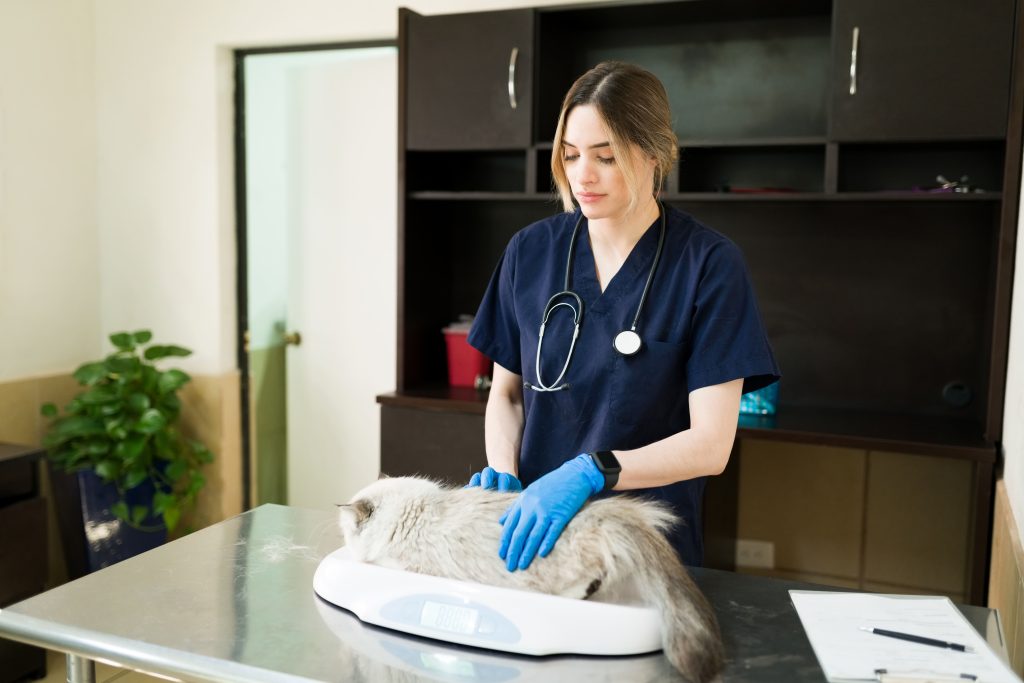
Bringing a furry (or feathered or scaly) friend into your home means a lot more than cuddles and playtime—it’s a lifelong commitment to their health and happiness. One of the most crucial elements of responsible pet ownership is knowing how often to visit the vet. Whether you’re a first-time pet parent or a seasoned pro, this guide breaks down what you need to know.
🐾 Why Regular Vet Visits Matter
Just like humans, animals benefit from routine checkups. These visits help:
- Catch health issues early
- Keep vaccinations up to date
- Monitor weight and diet
- Manage aging or chronic conditions
Skipping regular visits can lead to preventable issues becoming serious—and expensive.
🐶🐱 General Vet Visit Schedule for Dogs & Cats
Puppies and Kittens (0-12 months)
- Frequency: Every 3–4 weeks until 16 weeks old
- Why: Initial vaccinations, deworming, flea/tick prevention, growth monitoring
- Bonus: Time to discuss spaying/neutering and training tips
Adult Pets (1–7 years)
- Frequency: Once a year
- Why: Annual exam, vaccine boosters, dental check, lab tests for early disease detection
Senior Pets (7+ years)
- Frequency: Every 6 months
- Why: Older pets are more prone to arthritis, diabetes, and other age-related issues
🐦🐍🐠 What About Exotic Pets?
For birds, reptiles, and small mammals (like rabbits or guinea pigs):
- Initial visit after adoption is crucial
- Then at least annually, or as advised by an exotic vet
- Environmental and dietary reviews are especially important
🚨 When to Go Immediately
Schedule a vet visit ASAP if your pet shows any of these signs:
- Vomiting or diarrhea for more than 24 hours
- Loss of appetite or sudden weight loss
- Limping, lethargy, or difficulty breathing
- Behavioral changes or signs of pain
💡 Pro Tips for Stress-Free Vet Visits
- Use carriers or seatbelts for safety
- Bring treats and comfort items
- Keep a health record (some apps do this too!)
- Ask questions—it’s your right as a pet parent!
❤️ Final Thoughts
Preventive care = longer, happier lives for your pets. Don’t wait for symptoms to appear—routine vet visits are an investment in your pet’s future.
Whether you have a tail-wagger, a chirper, or a quiet little fish, staying on top of vet checkups will help ensure your best friend lives their best life.
