



In a world where strawberries can travel 5,000 miles to reach your plate and bananas are available year-round, a quiet revolution is growing—rooted in soil, sustainability, and seasonality. It’s called the locavore movement, and it’s changing the way we think about food.
🌱 What Is a Locavore?
A locavore is someone who chooses to eat food grown or produced locally, usually within a 100–250-mile radius. Rather than relying on global supply chains, locavores prioritize:
- Seasonal produce
- Regional farms
- Local artisans and food makers
The goal? To create a stronger connection between what we eat and where it comes from.
🍎 Why the Locavore Movement Matters
This movement isn’t just a trend—it’s a response to serious issues in our modern food system:
1. Environmental Impact
Food in the average grocery store travels thousands of miles, consuming massive amounts of fossil fuel and contributing to greenhouse gas emissions. Local food requires less transport, refrigeration, and packaging.
2. Supporting Local Economies
Buying from nearby farmers, bakers, and butchers keeps money in the community. It helps small businesses survive and supports ethical, transparent supply chains.
3. Fresher, Healthier Food
Local food is often harvested at peak ripeness and sold quickly—meaning better taste, more nutrients, and fewer preservatives.
4. Food Security & Resilience
Locally focused food systems are more resilient to global disruptions (think: pandemics, war, climate change) and reduce dependence on imported goods.
🛒 How to Eat Like a Locavore
You don’t need to live on a farm or give up bananas forever. Being a locavore is about making mindful choices. Here’s how to start:
✅ 1. Shop at Farmers’ Markets
These are the heart of the locavore lifestyle. You get to meet the people who grow your food, ask questions, and find out exactly where everything comes from.
✅ 2. Join a CSA (Community Supported Agriculture)
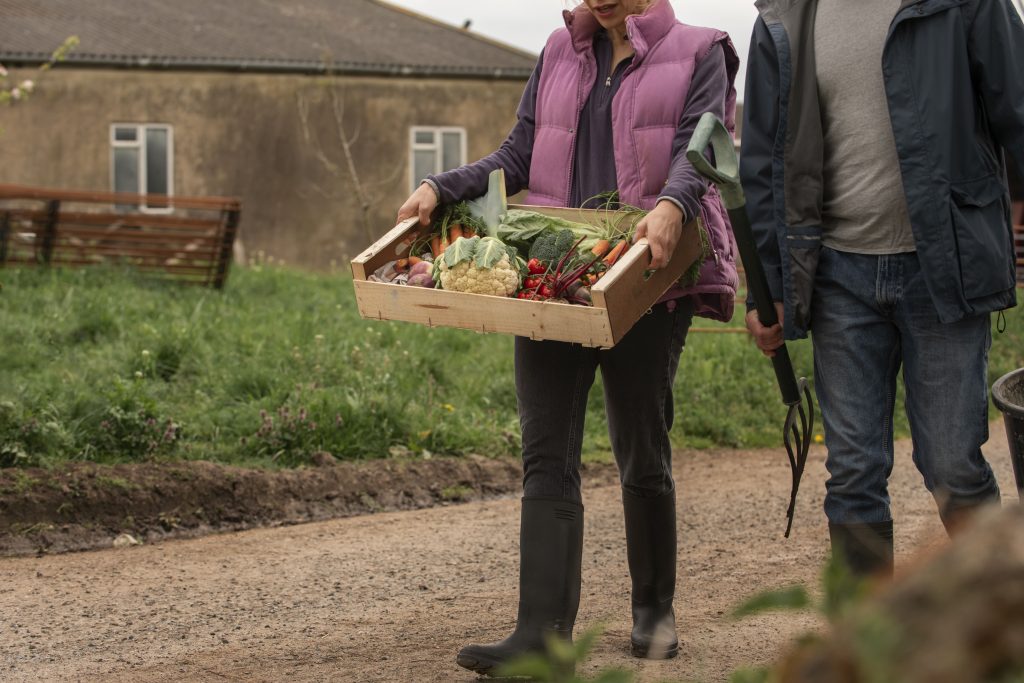
CSAs allow you to subscribe to a local farm and receive weekly boxes of seasonal produce. It’s like getting a surprise gift of fresh food each week.
✅ 3. Learn to Eat Seasonally
Eating tomatoes in winter? Probably not local. Embrace what’s in season in your region—it’s fresher and often more affordable.
✅ 4. Grow Your Own Food
Even a windowsill herb garden counts. If you have the space, try your hand at growing lettuce, tomatoes, or peppers.
✅ 5. Choose Local Products at Grocery Stores
Look for “locally made” or “locally grown” labels on everything from milk to bread. Many larger retailers now highlight regional products.
🧀 The Rise of Local Artisans & Urban Farming
It’s not just rural farmers joining the movement. Across cities, urban farming is booming. Rooftops, vertical farms, and community gardens are bringing local food to dense urban neighborhoods.
And beyond fresh produce, there’s a growing demand for locally made cheeses, jams, craft beer, kombucha, sourdough bread, and more—made with care, not chemicals.
🌍 Global Influence, Local Roots
The locavore movement started in places like California and Italy but has since gone global:
- In India, farm-to-table restaurants are working with organic village growers.
- In Scandinavia, the “New Nordic” food movement emphasizes hyper-local ingredients.
- In Africa, agroecological farming is helping reduce food insecurity and reconnect communities to their land.
🤔 Challenges to Eating Local
Let’s be real: being a 100% locavore isn’t always practical.
- Climate limits availability of some items
- Local food can be more expensive (though not always)
- It requires planning and seasonal flexibility
But even small changes—like eating one local meal a day or shopping from a farmers’ market once a week—can make a big impact.
🥕 Final Thoughts: From Farm to Fork, With Intention
The locavore movement is about more than food. It’s about rethinking convenience, celebrating community, and restoring balance to a system that often feels broken.
So next time you sit down to eat, ask:
Where did this come from? Who grew it? And how far did it travel to get to me?
Because sometimes, the shortest distance between the farm and your fork… is the most meaningful journey of all.
